
🥃 📚 Maturation - Whisky Dictionary IV 📚 🥃
The Cask & Beyond Whisky Dictionary · Issue 4 of 20

Maturation
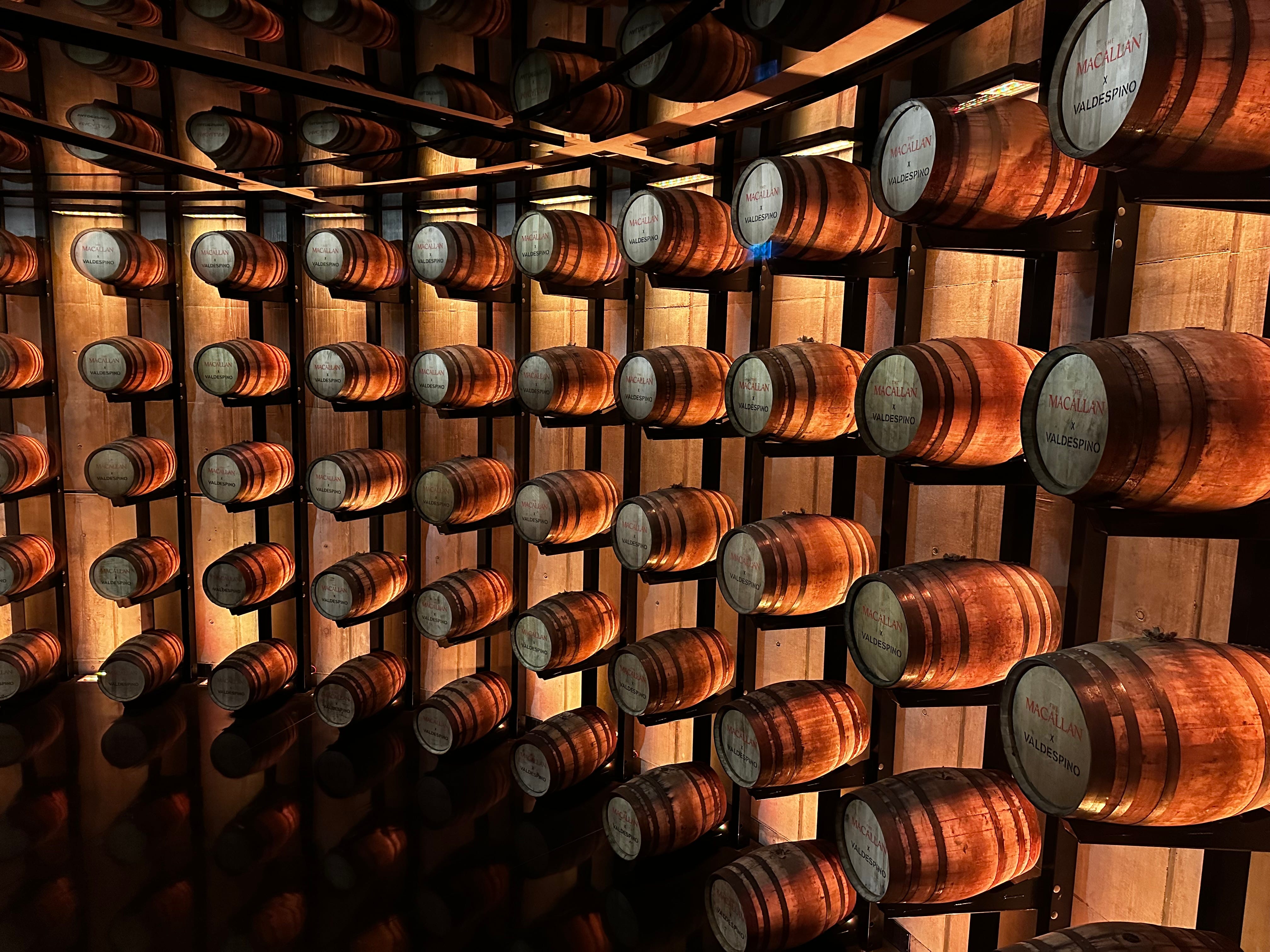
The new make spirit that enters the cask is clear, raw, and entirely unlike the amber liquid that will eventually leave it. In between, a piece of wood does most of the work. Maturation is the longest stage, the least controllable, and accounts for the largest share of flavour in any aged spirit.
The Maturation Question
A standard claim in whisky marketing is that 60 to 70 percent of flavour comes from the cask. This figure, repeated so often it seems factual, is at best a rough estimate from specific studies. What is uncontroversial: maturation has the most dramatic visible effect. New make enters clear and leaves amber. It enters sharp and raw and exits with layers of vanilla, fruit, spice, and oxidation that were not there before. The transformation is real, large, and partly understood.
I wrote four essential maturation terms, each in three layers : Define , Context and Nuance. Enjoy
First Fill vs. Refill
Cask · Fill History
Define: First fill refers to a cask being used for its first fill of Scotch whisky after its previous use. A first-fill ex-bourbon barrel was used once for bourbon; a first-fill sherry butt was used once for sherry. Refill refers to casks used for at least one previous whisky fill. Second-fill has held one whisky fill; third-fill has held two.
Context: First-fill casks have the highest concentration of extractable compounds in their wood and impart the most flavour to the spirit. A first-fill ex-bourbon barrel will give more vanilla, coconut, and sweet American oak character than a second or third fill barrel made from the same wood. This makes first fill the most prized cask designation, particularly for shorter-aged expressions where wood influence must work quickly. Refill casks are cheaper and used extensively in Scotch production, particularly for longer maturations.
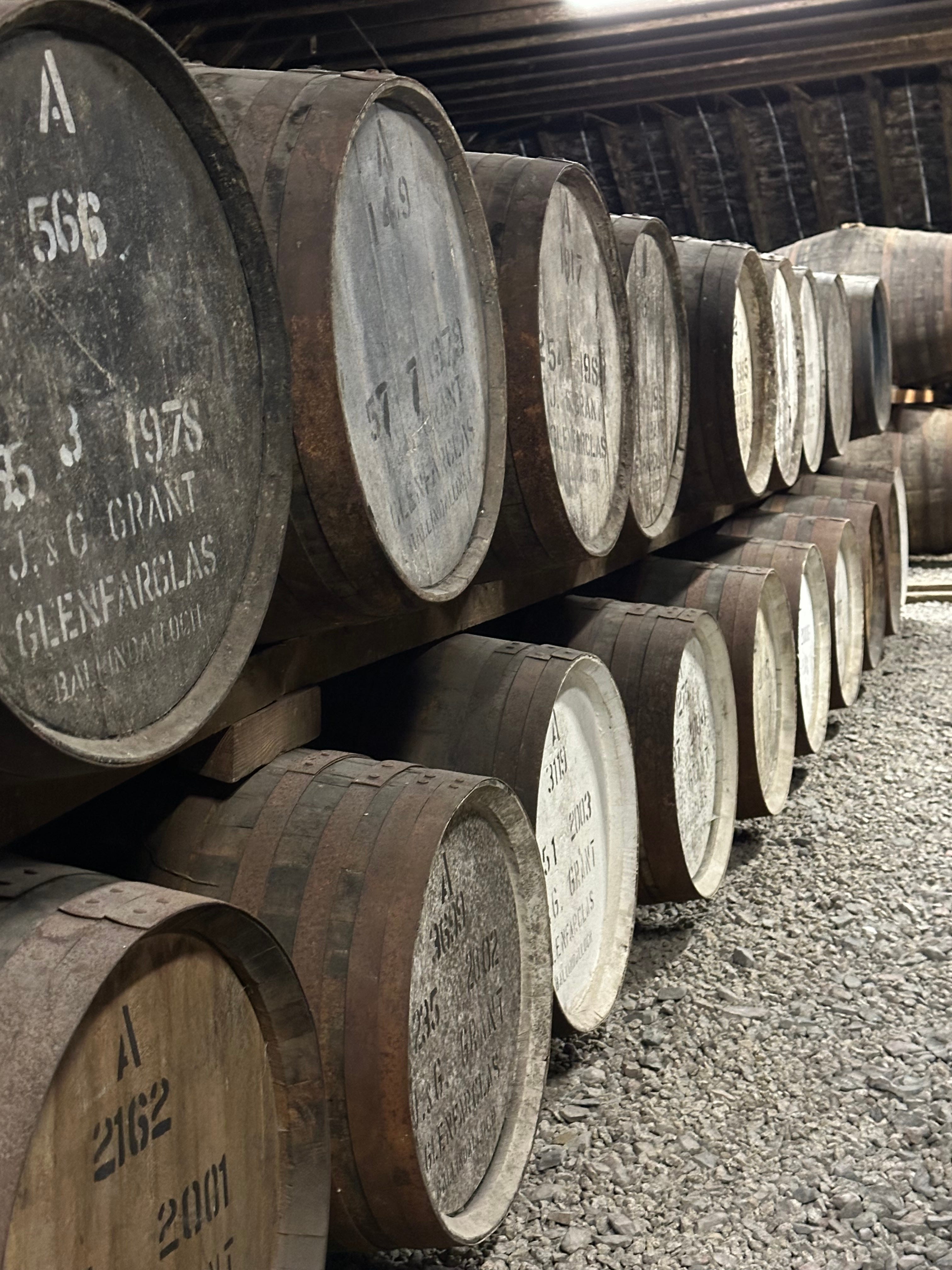
Nuance: First fill is not always better. For very long maturations (25 years or more), a first-fill cask can over-oak the spirit, contributing excessive tannins that overwhelm the distillery character. Blenders assembling long-aged expressions sometimes prefer second or third fill casks, allowing slower wood integration. Some distilleries use a deliberate refill-heavy strategy to preserve delicate distillery character. Highland Park and Springbank are examples where the balance between first fill and refill usage is a conscious style decision, not simply a cost calculation.
Ex-Bourbon Barrel vs. Sherry Butt
Cask · Type
Define: Ex-bourbon barrels are American white oak barrels previously used to mature bourbon whiskey, now used for Scotch. By US law, bourbon must be matured in new charred oak barrels, creating a large supply of once-used barrels for export. Sherry butts are large European oak casks of approximately 500 litres, previously used to mature or transport sherry.
Context: Ex-bourbon barrels are by far the most common cask in Scotch production, accounting for the majority of all maturation. They are standardised at approximately 200 litres, relatively inexpensive, and readily available. The heavy charring applied to bourbon barrels creates activated carbon that contributes distinctive caramel and vanilla compounds. Sherry butts are larger, produce slower maturation due to less wood surface contact per litre, and impart dried fruit, spice, Christmas cake character, and deep amber colour. Macallan, Glenfarclas, and GlenDronach are built around sherry butt maturation.
Nuance: The supply of genuinely sherry-seasoned butts has shrunk dramatically over the past fifty years as sherry consumption has declined. Many distilleries now use seasoned casks: new European oak butts filled with sherry in Spain for one to three years specifically to prepare them for whisky maturation. The resulting casks are legally compliant but produce a somewhat different flavour profile than a butt that genuinely spent years holding sherry in a Jerez bodega.
Vanillin & Lactones
Wood Chemistry · Compounds
Define: Vanillin is an aldehyde compound derived from the lignin in oak staves, responsible for vanilla notes characteristic of American oak maturation. Lactones are cyclic ester compounds derived from oak that contribute coconut, woody, and sometimes creamy character. The most important are cis and trans-oak lactone, also called whisky lactone.
Context: Lignin, one of the main structural polymers in wood, breaks down slowly during maturation, releasing vanillin and related compounds into the spirit. The charring of bourbon barrels accelerates this process by partially degrading lignin near the wood surface. American white oak contains significantly more oak lactone than European oak, which explains why ex-bourbon matured whiskies frequently show coconut and sweet wood notes while sherry-matured whiskies do not. The cis form of oak lactone has a coconut aroma; the trans form is subtler and more woody.
Nuance: Vanillin’s role is not simply additive. At low concentrations it contributes clean vanilla sweetness. At higher concentrations, particularly in over-oaked spirit, it can become cloying and dominating. Oak lactone concentration increases with the toasting or charring level applied to the stave. Heavy char creates more lactone by thermally degrading wood compounds deeper into the stave. This is why heavily charred ex-bourbon barrels tend to give more coconut character than lightly charred ones, even though both are nominally ex-bourbon barrels. The char specification matters.
Angels Share
Maturation · Evaporation
Define: The volume of spirit that evaporates through the wood of the cask during maturation, lost to the atmosphere and, by poetic tradition, to the angels. In Scotland, the angels share is approximately 2 percent of the cask volume per year.
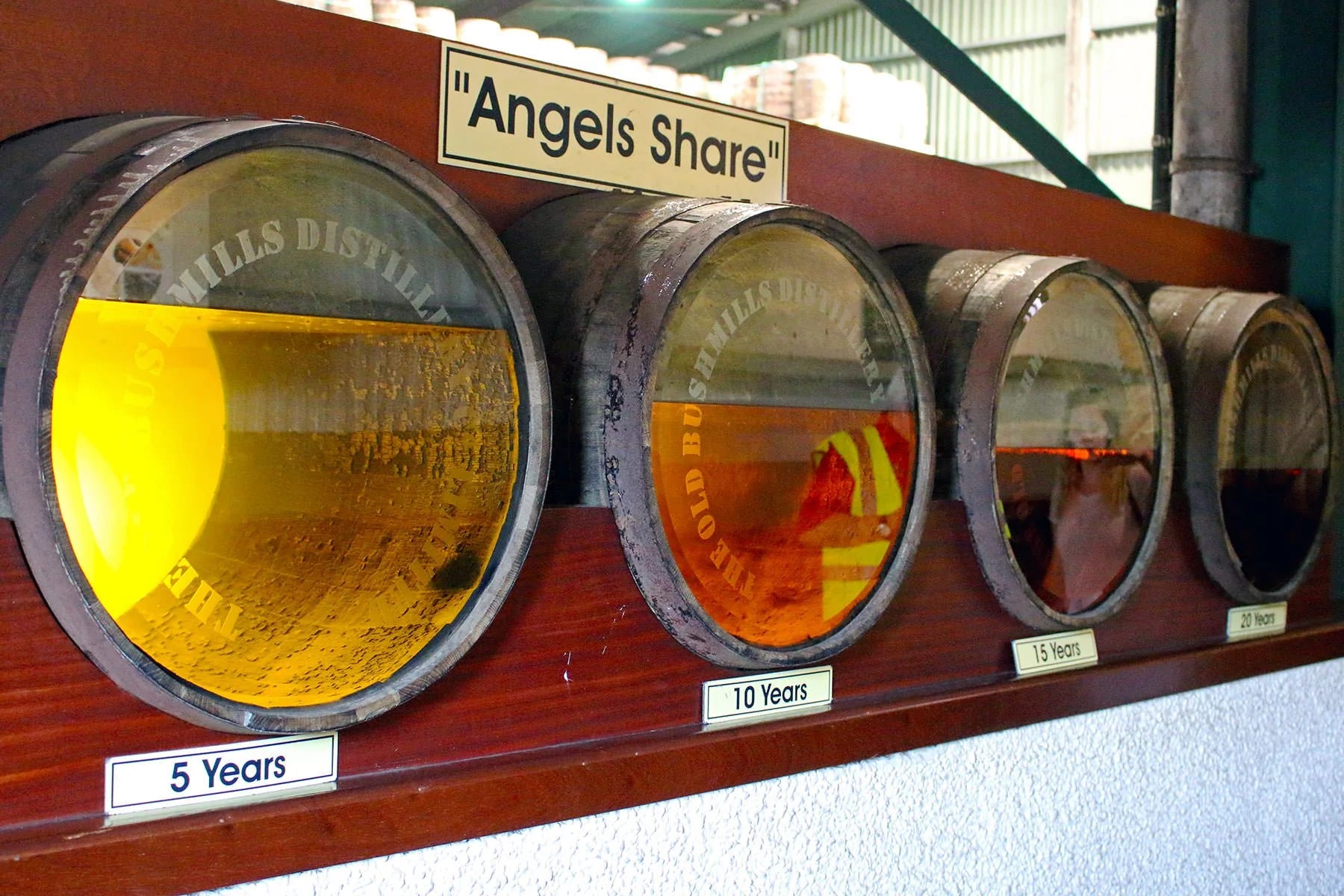
Context: Over a 10-year maturation, a Scottish cask loses roughly 20 percent of its original volume to evaporation. Over 20 years, roughly 35 percent. Over 30 years, nearly half of the original spirit may be gone. This is why very old whiskies are expensive: the volume remaining is only a fraction of what was filled, and the capital tied up in those years must be recovered from a progressively smaller volume of spirit.
Nuance: What evaporates is not neutral. In cool, damp Scottish conditions, alcohol evaporates faster than water, so the ABV of the spirit in the cask actually falls over time. In warm, dry conditions (such as Kentucky in summer), water evaporates faster than alcohol, and the ABV of the maturing spirit rises. This is why older Scotch whisky often needs water added to bring it back to bottling strength, while some Kentucky bourbons are bottled at higher proof than they were filled at.
Spotlight: What the Cask Actually Does
A clear account of wood chemistry and what to look for on labels
The cask is not a passive container. It is a slow reactor. What comes out depends on what goes in and what conditions it operates under.
Four mechanisms are at work simultaneously. First, the spirit extracts compounds directly from the wood: vanillin from lignin degradation, lactones from fatty acid derivatives, tannins from polyphenolic structures, and sugars from the caramelised wood surface.
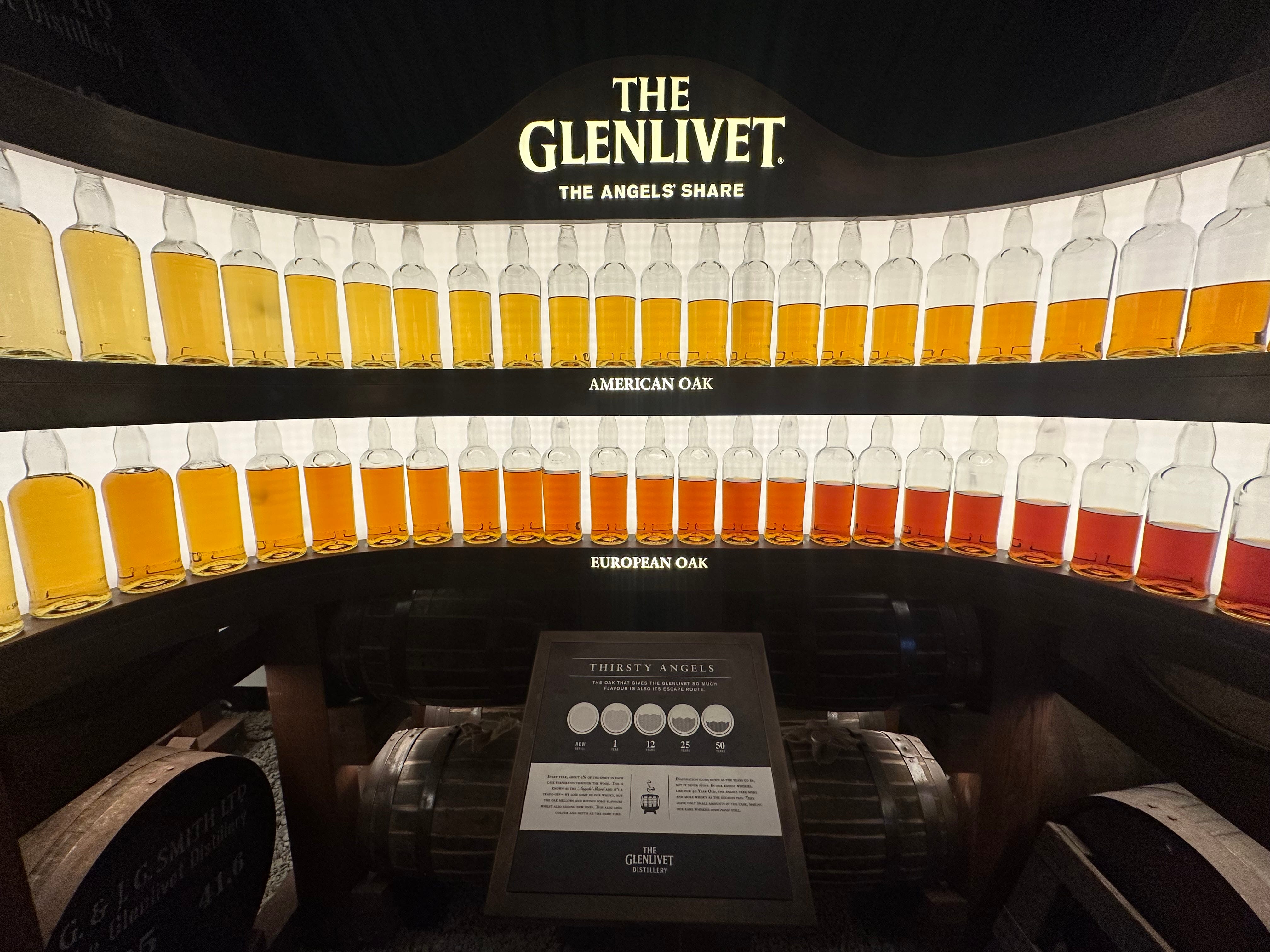
Second, oxidation proceeds slowly through porous wood. Oxygen transforms harsh aldehydes into acids and esters, softens fusel alcohols, and builds complex layered character. This is why spirit that tastes rough at three years can taste smooth at fifteen: oxidation has chemically transformed the compounds themselves.
Third, spirit and wood compounds interact, producing new compounds present in neither the original spirit nor the wood. These secondary reactions account for some of the most striking flavours in old whisky, including rancio and complex dried fruit character.
Fourth, concentration increases as evaporation removes volume, intensifying both desirable compounds and any flaws already present. The cask does not resolve problems; it amplifies whatever is there.
Seek out distilleries that provide specific rather than generic cask information. “Matured in American oak” tells you less than “matured in first-fill ex-bourbon barrels, char level 3.” The specificity of cask information signals how seriously a producer takes maturation.
Next issue: The production vocabulary is complete. From Issue 5 onwards, we apply it to the world’s whisky regions, starting where modern whisky appreciation was largely invented: Scotland. Issue 5 covers Scotch single malt, its legal framework, regional styles, and the terms every serious enthusiast needs.
The Cask & Beyond Whisky Dictionary · Issue I · Grain & Raw Materials
The Cask & Beyond Whisky Dictionary · Issue 2 · Malting & Fermentation
The Cask & Beyond Whisky Dictionary · Issue 3 · Distillation